

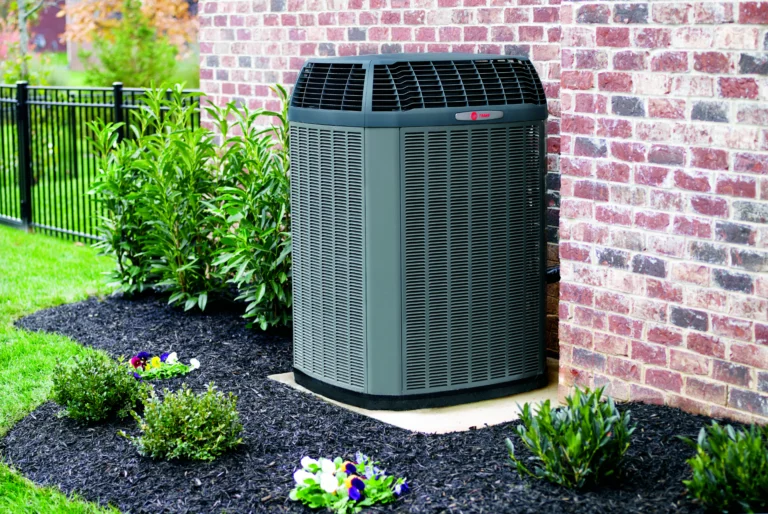

A ductless system moves conditioned air without the network of sheet-metal ducts that a traditional central unit depends on. Instead, an outdoor compressor connects to one or more indoor air-handling units through a small conduit that carries refrigerant lines, power wiring, and a condensate drain. That conduit passes through a hole roughly three inches wide in an exterior wall. For homes in Tempe, AZ, where remodels, room additions, converted garages, and older houses without existing ductwork are common, this approach solves cooling and heating problems that a central system cannot address easily or affordably.
How a Ductless System Delivers Comfort in the Tempe Climate
The core of a ductless setup is the heat-pump cycle. During summer, the outdoor unit extracts heat from inside the home and rejects it outdoors. During the cooler months, the same cycle reverses to pull warmth from the outside air and move it inside. Because Tempe rarely drops to the extreme cold that limits heat-pump performance in northern states, ductless equipment operates efficiently here across nearly the entire calendar year.
The absence of ducts eliminates one of the largest sources of energy loss in a home. In a conventional system, air travels through ducts that often run through hot attics. Leaks, poor connections, and uninsulated runs can waste a significant share of the cooling you pay for. A ductless indoor head delivers conditioned air directly into the room it serves, so almost none of that energy escapes before it reaches you. In a desert climate where the air conditioner runs for the majority of the year, that efficiency difference adds up across every billing cycle.
Where Ductless Equipment Makes the Most Sense
Not every home needs a full replacement of its central system, and not every space can accept traditional ductwork without major construction. Ductless technology fits a wide range of situations that we see regularly across Tempe, AZ.
- Room additions and bonus spaces: When a homeowner adds a bedroom, sunroom, or converted patio, extending the existing duct system may overload the central unit. A dedicated ductless head cools the new space without straining anything else.
- Garage conversions and workshops: Many Tempe garages become offices, gyms, or studios. These spaces often lack any connection to the home’s air handler, and a single ductless unit brings them into comfortable range.
- Older homes without ducts: Some historic and mid-century properties never had central air installed. Retrofitting ducts is invasive and costly, while ductless heads mount cleanly on walls with minimal disruption.
- Rooms that never feel right: A bedroom over the garage or a west-facing living room that bakes in the afternoon sun can get its own zone, so you no longer overcool the rest of the house to fix one hot spot.
- Whole-home multi-zone setups: One outdoor condenser can support several indoor heads, each with its own thermostat, giving you independent control in every zone.
The Family Behind Four Seasons Home Services
Kevin and Jessica Morriston are Arizona natives who come from a long line of air conditioning, heating, and electrical family members. Kevin graduated RSI in 1986 and quickly became a professional HVAC service technician. Jessica’s father started Four Seasons Refrigeration and Heating in 1982 and ran a successful company throughout her childhood, so the trade has been part of her life for as long as she can remember.
When the original Four Seasons was no longer going to be operated, we decided to go back to our roots and provide personable, professional service at a reasonable and fair price. With a combined 45 years of experience, we strive to give every client the very best service. We believe we can provide top-notch customer service that is unmatched in the valley market, and we back that commitment with 24/7 emergency service so you are never left waiting when a system fails during a heat wave.
Sizing and Technical Specifications That Matter
Correct sizing is the single most important factor in a ductless installation. An oversized unit cools the air quickly but shuts off before it removes enough humidity, leaving a room that feels clammy and cycling the compressor more often than it should. An undersized unit runs constantly and never reaches the set temperature on the hottest Tempe afternoons. We perform a load calculation that accounts for square footage, ceiling height, window area and orientation, insulation levels, and how the room is used.
Capacity is measured in British Thermal Units, or BTUs. A small bedroom might need a nine-thousand BTU head, while a large open living area could require twenty-four thousand BTUs or more. Efficiency is rated by SEER2 for cooling and HSPF2 for heating, and modern inverter-driven compressors adjust their speed continuously rather than switching fully on and off. This variable-speed operation holds a steady temperature, uses less electricity, and runs far more quietly than older single-stage equipment. Indoor heads themselves are engineered to operate at low sound levels, often quiet enough that you forget the system is running.
Our Installation Process Step by Step
A clean installation protects the performance and lifespan of the equipment. We follow a consistent methodology on every ductless project so the results are predictable and reliable.
- On-site assessment: We evaluate the space, take measurements, and complete the load calculation to confirm the correct equipment size and the best placement for each indoor head.
- Mounting the indoor units: Each head is fixed to a wall bracket at a height that promotes even air distribution while keeping the conduit path short and direct.
- Running the line set: We drill the wall penetration, route the refrigerant lines, wiring, and condensate drain, and seal the opening to keep the desert dust and heat out.
- Setting the outdoor condenser: The unit is placed on a level pad or bracket with proper clearance for airflow and future service access.
- Evacuation and charging: We pull a vacuum on the lines to remove moisture and air, then verify the refrigerant charge to the manufacturer’s specification.
- Testing and walkthrough: We run the system in both cooling and heating modes, confirm each zone responds correctly, and show you how to operate the controls.
Maintenance That Keeps a Ductless System Reliable
Ductless equipment asks less of you than a central system, but it still needs attention. The washable filters behind each indoor head trap dust and should be cleaned regularly, especially given how much fine desert dust circulates in a Tempe home. Clogged filters restrict airflow, reduce efficiency, and force the compressor to work harder than it should.
During a professional service visit, we clean the indoor coil and blower wheel, clear the condensate drain, check refrigerant pressures, inspect electrical connections, and verify that the outdoor coil is free of debris. Because these systems run so many hours per year in our climate, catching small issues early prevents the kind of failure that leaves you without cooling on the worst possible day. Consistent maintenance also protects the terms of your manufacturer warranty, which often requires documented upkeep.
Serving Tempe and the Surrounding Communities
We install, service, and repair ductless HVAC systems throughout Tempe, AZ, and across the wider valley including Cave Creek, New River, Sun City, Deer Valley, Paradise Valley, Arrowhead Ranch & Anthem, AZ. Whether you are adding comfort to a single stubborn room, cooling a new addition, or replacing an aging system in a home that never had ductwork, Four Seasons Home Services brings decades of family experience to the work. Reach out to discuss your space, and we will help you decide whether a ductless solution is the right fit for your home and how many zones will give you the comfort and efficiency you are looking for.