

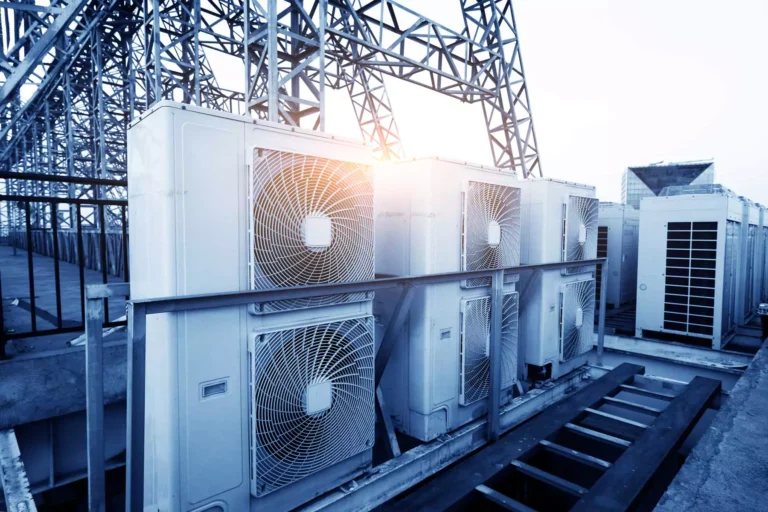

VRF Systems: Advanced Climate Control for Arizona Properties
Variable Refrigerant Flow systems, commonly known as VRF systems, represent one of the most significant advances in commercial and residential climate control technology over the past two decades. At Four Seasons Home Services, we bring a combined 45 years of experience to every installation, repair, and maintenance project involving these sophisticated systems. Serving Cave Creek, Deer Valley, Phoenix, Paradise Valley, Sun City, and New River, AZ, we understand the unique demands that Arizona’s extreme heat places on cooling infrastructure and why VRF technology is becoming an increasingly popular solution for property owners throughout the valley.
VRF systems work by using refrigerant as both the cooling and heating medium, distributing it through a network of piping to multiple indoor units connected to a single outdoor condensing unit. Unlike traditional HVAC systems that operate at full capacity or not at all, VRF technology modulates the flow of refrigerant to each zone based on real-time demand. This means every room or zone in a building receives precisely the amount of conditioned air it needs, eliminating the energy waste that comes with overcooling or overheating spaces that are unoccupied or require less conditioning.
How VRF Technology Works
The core principle behind VRF systems is the variable speed compressor. Traditional compressors cycle on and off to maintain temperature, which creates energy spikes and inconsistent comfort levels. VRF compressors use inverter-driven technology to continuously adjust their speed, ramping up or down depending on the thermal load requirements of each connected zone. This results in energy savings that can range from 30 to 50 percent compared to conventional forced-air systems, according to industry analyses from the American Society of Heating, Refrigerating and Air-Conditioning Engineers.
There are two primary types of VRF systems. Heat pump VRF systems can provide either heating or cooling to all zones simultaneously but cannot do both at the same time. Heat recovery VRF systems, on the other hand, can simultaneously heat one zone while cooling another by redistributing rejected heat from cooling zones to zones that need warming. In Arizona, where mornings can be cool while afternoon sun heats certain rooms, heat recovery VRF systems offer remarkable efficiency by moving thermal energy where it is needed rather than generating it from scratch.
Each indoor unit operates independently with its own thermostat and control, allowing occupants to set different temperatures in different areas. The outdoor unit communicates with every indoor unit through sophisticated controllers that monitor refrigerant pressure, temperature, and flow rates in real time. Kevin Morriston, who graduated from RSI in 1986 and quickly became a professional HVAC service technician, understands the intricate refrigerant management that makes these systems perform at their peak in the harsh Arizona climate.
Real-World Applications in the Arizona Market
VRF systems are exceptionally well-suited for a wide range of building types throughout the Phoenix metropolitan area. Multi-story office buildings benefit enormously because different floors and different sides of the building experience varying heat loads throughout the day. A west-facing office suite at 3 PM in July has drastically different cooling needs than an interior conference room that has been empty all morning. VRF technology addresses these disparities without the ductwork losses that plague traditional systems.
Restaurants and retail spaces also find tremendous value in VRF installations. Kitchen areas generate significant heat and require aggressive cooling, while dining rooms need a comfortable and consistent temperature for guests. Hotels and multi-family residential buildings use VRF systems to give individual tenants or guests control over their own comfort without affecting neighboring spaces. Even custom homes in areas like Paradise Valley and Cave Creek are increasingly turning to VRF solutions, particularly in residences with large footprints, multiple stories, or architectural designs that make traditional ductwork impractical.
Jessica Morriston’s father started Four Seasons Refrigeration and Heating in 1982 and ran a successful company throughout her childhood. When the day came that Four Seasons was no longer going to be operated, Kevin and Jessica decided to go back to their roots and provide personable, professional service at a reasonable and fair price. That family heritage in refrigeration and heating is especially relevant to VRF work, where deep knowledge of refrigerant behavior, pressure dynamics, and system design is essential to proper installation and long-term performance.
Installation Process and Technical Considerations
Installing a VRF system requires careful engineering and planning. The process begins with a thorough load calculation for the entire building, analyzing factors such as square footage, window orientation, insulation values, occupancy patterns, and internal heat gains from equipment and lighting. In Arizona, solar heat gain is a dominant factor, and our team accounts for the intense southwestern sun exposure that can dramatically increase cooling loads on specific building faces.
Once the load calculation is complete, system design begins. This involves selecting the appropriate outdoor unit capacity, determining the number and type of indoor units for each zone, and mapping the refrigerant piping layout. VRF systems use copper refrigerant piping that can extend up to 540 feet from the outdoor unit to the farthest indoor unit, depending on the manufacturer and model. Branch selector boxes, also known as refnet joints or distribution headers, direct refrigerant to individual indoor units based on demand signals from the central controller.
- Wall-mounted cassettes are ideal for individual rooms and offices where ceiling access is limited
- Ceiling-concealed ducted units hide within the ceiling plenum and deliver air through short duct runs for a clean aesthetic
- Four-way ceiling cassettes distribute air in multiple directions and work well in open floor plans and large rooms
- Floor-standing units provide targeted heating and cooling at the occupant level, perfect for spaces with high ceilings
- Slim duct units fit in tight ceiling spaces and connect to minimal ductwork for flexible air distribution
Commissioning a VRF system after installation is a critical step that involves charging the refrigerant lines, programming the central controller, testing each indoor unit for proper operation, and verifying that the system responds correctly to varying load conditions. We take the time to ensure every component is calibrated and performing as designed before considering any project complete.
Maintenance, Repairs, and Long-Term Performance
VRF systems require regular professional maintenance to deliver the efficiency and longevity they are designed for. Filters in indoor units need periodic cleaning or replacement, outdoor coils must be kept free of debris and dust that accumulates quickly in the Arizona desert, and refrigerant levels need to be verified to ensure the system operates within manufacturer specifications. The sophisticated electronics that control VRF systems also benefit from periodic diagnostic checks to catch potential issues before they become costly failures.
When repairs are necessary, the modular nature of VRF systems is a major advantage. If one indoor unit experiences a malfunction, the remaining units continue to operate normally, meaning the building never loses all climate control at once. We provide 24/7 emergency service because we understand that in Arizona temperatures that regularly exceed 110 degrees, a cooling system failure is not just an inconvenience but a genuine safety concern.
The Future of VRF in Arizona
The VRF market in North America has grown significantly, with industry reports projecting continued double-digit growth as building owners seek energy-efficient alternatives to conventional systems. Arizona is positioned at the forefront of this trend due to the extreme cooling demands that make efficiency gains especially impactful on operating costs. As energy codes become more stringent and utility rates continue to rise, VRF technology offers a path forward that balances comfort, efficiency, and environmental responsibility.
At Four Seasons Home Services, we believe we can provide top-notch customer service that is unmatched in the valley market. Whether you are considering a VRF system for a new construction project, a retrofit of an aging building, or a custom home that demands precise zone control, our team has the expertise and dedication to deliver 5 star service in all 4 seasons. Contact us to discuss how VRF technology can transform the way your property handles Arizona’s demanding climate.