

Understanding Rooftop Units and Their Importance
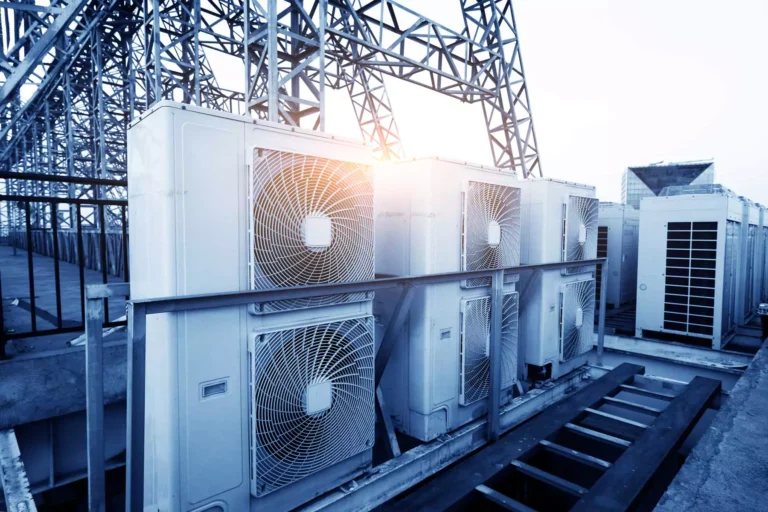
Rooftop units, commonly known as RTUs, represent one of the most efficient commercial HVAC solutions available today. These self-contained heating and cooling systems sit on building rooftops, providing comprehensive climate control for businesses throughout Cave Creek, AZ and surrounding areas. At Four Seasons Home Services, we specialize in installing, maintaining, and repairing these sophisticated systems, drawing on our combined 45 years of experience in the HVAC industry. Kevin Morriston, who graduated from RSI in 1986 and quickly became a professional HVAC service technician, has worked with countless rooftop units throughout his career, understanding their unique requirements and capabilities.
These packaged units combine heating, cooling, and ventilation components in a single cabinet, making them ideal for commercial buildings, retail spaces, warehouses, and office complexes. Unlike split systems that require indoor and outdoor components connected by refrigerant lines, rooftop units house everything in one weatherproof enclosure. This design maximizes interior space while providing powerful climate control capabilities ranging from 2 to 50 tons of cooling capacity, depending on building requirements.
How Rooftop Units Work
The operation of a rooftop unit involves several integrated components working together to maintain optimal indoor conditions. Fresh air enters through intake dampers, mixing with return air from the building’s interior. This mixed air passes through filters that remove dust, allergens, and other particles before entering the heating or cooling section. During cooling mode, the air flows over evaporator coils containing refrigerant that absorbs heat, while a compressor and condenser work together to expel that heat outside. In heating mode, either gas burners or electric heating elements warm the air before distribution.
Advanced control systems monitor temperature, humidity, and air quality, automatically adjusting operation to maintain preset conditions. Modern rooftop units often include economizers that use outdoor air for free cooling when conditions permit, significantly reducing energy consumption. Variable frequency drives on fan motors allow precise airflow control, optimizing comfort while minimizing electrical usage. These sophisticated features require expert knowledge for proper setup and maintenance, which our team at Four Seasons Home Services provides through decades of hands-on experience.
Key Benefits of Rooftop Unit Installation
Installing rooftop units offers numerous advantages for commercial property owners and managers. The rooftop location frees valuable interior space that would otherwise house mechanical equipment, allowing businesses to maximize their usable square footage. This positioning also reduces noise inside the building since compressors and fans operate above the occupied spaces. Additionally, rooftop placement simplifies maintenance access, as technicians can service units without disrupting business operations or entering tenant spaces.
Energy efficiency represents another significant benefit, with modern rooftop units achieving SEER ratings of 15 or higher and incorporating features like two-stage compressors and modulating gas valves. These technologies allow units to operate at partial capacity during mild conditions, reducing energy consumption by up to 40% compared to older single-stage systems. The packaged design also eliminates refrigerant line losses associated with split systems, further improving efficiency and reducing operating costs.
Maintenance Requirements and Service Considerations
Regular maintenance ensures rooftop units operate efficiently and reliably throughout their 15-20 year lifespan. Our maintenance programs at Four Seasons Home Services include comprehensive inspections and preventive services designed to maximize performance and prevent unexpected breakdowns. Jessica Morriston, whose father started Four Seasons Refrigeration and Heating in 1982, understands the importance of consistent maintenance from growing up in a successful HVAC company environment.
- Monthly filter changes prevent airflow restrictions and maintain indoor air quality
- Quarterly belt inspections identify wear before failure occurs
- Semi-annual coil cleaning maintains heat transfer efficiency
- Annual refrigerant level checks ensure optimal cooling performance
- Seasonal combustion analysis for gas-fired units verifies safe, efficient operation
Beyond routine maintenance, rooftop units require periodic component replacement and system upgrades. Compressors typically last 10-15 years, while heat exchangers in gas units may require replacement after 15-20 years. Control boards and sensors need updating as technology advances, improving efficiency and reliability. Our 24/7 emergency service ensures rapid response when unexpected issues arise, minimizing downtime and protecting your business operations. We believe we can provide top notch customer service that is unmatched in the valley market, responding quickly to emergency calls and scheduling routine maintenance at your convenience. Contact us today.