

How to Spot the Difference Between Quality HVAC and Electrical Work and a Job That Will Cost You More Later
The cost of a heating, cooling, or electrical job is not always what you pay on the day of the installation. A system put in by a careless hand can keep charging you for years through higher energy bills, premature part failures, and repeat service calls. In the Arizona climate, where equipment runs hard through long summers, the gap between good work and poor work shows up faster and hits harder than it would in a milder place.
At Four Seasons Home Services, we see the results of shortcut work often. A condenser mounted on an uneven pad, wiring run without proper strain relief, or ductwork sealed with the wrong materials may pass a quick glance but fail under load. This page explains what separates lasting work from work that will cost you more later, so you can judge any contractor by the same standards we hold ourselves to across Cave Creek, Deer Valley, Phoenix, Paradise Valley, Sun City, and New River.
Workmanship You Can Actually See
Much of the quality in an HVAC or electrical job is visible if you know where to look. Clean, labeled wiring inside an electrical panel is a sign that the technician worked with care and intent. Wires crammed together, missing labels, or breakers that do not match the load they serve are warning signs. The same logic applies to refrigerant lines. A line set that is neatly run, properly insulated, and secured at correct intervals is far less likely to leak or vibrate loose than one left sagging against a wall.
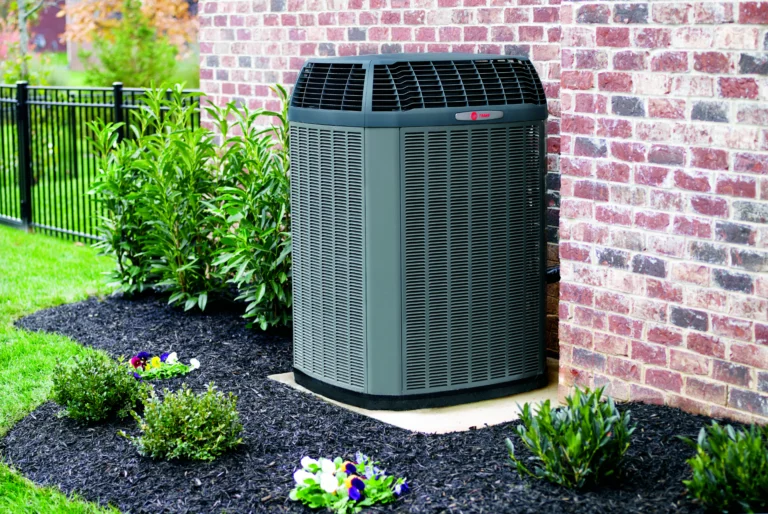
Mounting and support matter more than people expect. A condenser should sit level on a solid pad so that the compressor and fan motor do not carry uneven stress. When a unit tilts, oil distribution inside the compressor suffers and the part wears out sooner. During any walkthrough, pay attention to whether lines are supported, whether penetrations through walls are sealed, and whether the equipment sits flat. These small details are the clearest indicators of whether a job was done to last.
What Separates a Lasting Install From a Costly One
The difference between a system that serves you for fifteen years and one that struggles from the start usually comes down to a handful of steps that cannot be skipped. Here is what we check and what you should expect from any quality installation:
- Correct sizing: A load calculation based on square footage, insulation, window area, and orientation – not a guess or a match to the old unit.
- Proper refrigerant charge: Weighed in to the manufacturer’s specification rather than topped off by feel, since even a few ounces off reduces efficiency and shortens compressor life.
- Sealed and sized ductwork: Ducts that match the airflow the system is rated to move, with sealed joints that keep conditioned air from leaking into attics.
- Dedicated and correctly rated circuits: Electrical connections that match the equipment’s draw with the right breaker, wire gauge, and disconnect.
- A documented startup: Measured temperature splits, static pressure, and electrical readings recorded at commissioning so performance can be verified later.
When any of these steps is skipped, the equipment may still turn on and cool the house for a season. The problem is what follows. An oversized unit short-cycles and wears its contactor and compressor. An undersized circuit trips or overheats. Leaky ducts force the system to run longer to reach the thermostat setting, driving up both your bill and the wear on every component.
The Technical Signs of Cutting Corners
Some of the most expensive mistakes hide behind the walls and inside the panels. A technician who does not pull a proper vacuum on the refrigerant lines before charging leaves moisture inside the system. That moisture turns acidic over time and eats away at internal parts. You will not see it on install day, but you will feel it when the compressor fails years early.
On the electrical side, loose connections are a quiet hazard. A terminal that is not torqued to specification can heat up, arc, and eventually fail – sometimes damaging the equipment it feeds and sometimes posing a fire risk. Aluminum and copper joined without the right connectors, grounds left incomplete, and breakers mismatched to wire size are all problems that a hurried job leaves behind. Quality work treats these details as non-negotiable because they protect both the equipment and the home.
Why Our Background Shapes How We Work
Kevin and Jessica Morriston are Arizona natives who come from a long line of air conditioning, heating, and electrical family members. Kevin graduated RSI in 1986 and quickly became a professional HVAC service technician. Jessica’s father started Four Seasons Refrigeration and Heating in 1982 and ran a successful company throughout her childhood. When the day came that the original Four Seasons was no longer going to be operated, we decided to go back to our roots and provide personable, professional service at a reasonable and fair price.
That history is the reason we do not cut the steps that cost a customer later. With a combined 45 years of experience, we have repaired enough work done by others to know exactly where shortcuts show up. We strive to provide the very best service to all our clients, and we believe we can offer customer service that is unmatched in the valley market. We also provide 24/7 emergency service, because a cooling or electrical failure in the Arizona heat cannot wait for business hours.
Questions Worth Asking Before You Hire Anyone
You do not need to be a technician to protect yourself from a job that will cost you more later. A few direct questions will tell you a great deal about how a contractor works:
- Did you perform a load calculation for the equipment you recommended? A specific answer shows the sizing was deliberate.
- Will you weigh in the refrigerant charge and record the readings? This confirms the install will be commissioned, not guessed.
- Are all electrical connections being installed to code with the correct circuit and disconnect? The answer should be a clear yes with no hesitation.
- What warranty covers the labor and the parts, and what maintenance keeps it valid? Clear terms signal a company that stands behind its work.
Whether you need heating repair, AC repair, plumbing help, or a full HVAC installation, the standards on this page are the ones we apply to every project. Quality work is not about the lowest number on a quote. It is about the total cost over the life of the equipment, the comfort of your home through every season, and the confidence that the job was done right the first time. That is the promise behind the Four Seasons Home Services name, and it is how we earn the trust of homeowners across the valley.