

How Outdated Electrical Panels and Aging HVAC Systems Are Quietly Draining Arizona Homeowners Financially Every Month
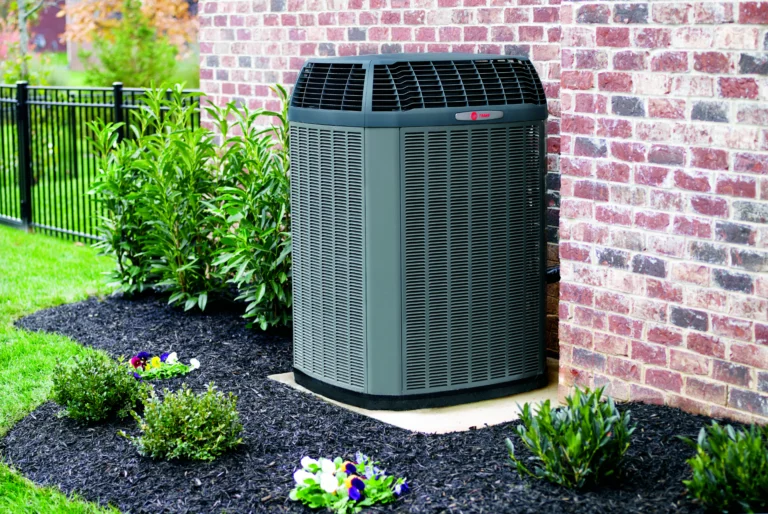
Most Arizona homeowners do not notice the slow leak in their monthly budget until the numbers add up over a full year. An electrical panel installed in the 1980s and an air conditioner approaching the end of its service life do not announce themselves with a dramatic failure. Instead, they waste energy, demand frequent repairs, and force your home to work harder than it should. Across Phoenix, Paradise Valley, Deer Valley, Cave Creek, Sun City, and New River, we see the same pattern in home after home: equipment that still runs but costs far more to operate than the owner realizes.
At Four Seasons Home Services, Kevin and Jessica Morriston bring a perspective rooted in generations of local experience. Kevin and Jessica are Arizona natives who come from a long line of air conditioning, heating, and electrical family members. Kevin graduated RSI in 1986 and quickly became a professional HVAC service technician, while Jessica grew up inside the trade after her father started Four Seasons Refrigeration and Heating in 1982. That combined 45 years of experience shapes how we look at older systems and the quiet drain they place on household finances.
Why Aging Equipment Costs You Money Before It Ever Breaks
An HVAC system does not have to stop working to become expensive. As compressors age, refrigerant charges drift, coils accumulate dust, and motor bearings wear, the same cooling output requires more electricity. A unit that was rated at a reasonable efficiency when installed can lose a significant portion of its performance over a decade of hard Arizona summers. In practical terms, you pay more each month for the same comfort, and the gap widens every year the system ages.
Electrical panels work the same way in the background. An outdated panel with worn breakers, loose connections, or undersized capacity creates resistance in the circuits that feed your home. That resistance turns into wasted heat and, in some cases, nuisance tripping that shortens the life of appliances and HVAC equipment. When a panel cannot deliver clean, stable power, your air conditioner and other motor-driven devices draw harder and wear faster, which pushes repair costs up over time.
The Warning Signs Homeowners Tend to Overlook
People often ask us how to tell whether their equipment is quietly costing them money. The signs are usually there, but they are easy to dismiss as normal household behavior. Paying attention to these details early can save you from both high energy bills and sudden, costly failures.
- Rising monthly bills with no change in use: If your cooling costs climb each summer while your habits stay the same, declining HVAC efficiency is often the cause.
- Breakers that trip repeatedly: Frequent tripping points to an overloaded or aging panel that can no longer handle your home’s electrical demand.
- Uneven cooling between rooms: Hot and cold spots suggest a system that is losing capacity or struggling with airflow.
- Warm outlets or discolored panel covers: Heat at the panel or outlets indicates loose connections and wasted energy that can also become a safety concern.
- Short cycling: An air conditioner that turns on and off rapidly wears out components quickly and uses more power per hour of actual cooling.
When several of these signs appear together, the combined cost of wasted energy and ongoing repairs often approaches what a modern, efficient replacement would cost to operate. That is the point where continuing to run old equipment stops making financial sense.
How We Evaluate the True Condition of Your Systems
Our approach begins with measurement rather than assumption. When we assess an HVAC system, we check refrigerant charge, static pressure across the air handler, temperature split across the coil, and amperage draw on the compressor and motors. These readings tell us whether the equipment is performing near its rating or quietly consuming extra power. We also inspect ductwork, because leaking or poorly sized ducts can waste a large share of the cooling you pay for before it ever reaches your rooms.
For electrical panels, we examine breaker condition, bus bar integrity, torque on connections, and total load relative to panel capacity. Many homes in older Phoenix and Sun City neighborhoods were built with panels never intended to support modern air conditioning, electric vehicle charging, and today’s appliance loads. We identify whether your panel can safely support an efficient new HVAC system or whether an upgrade should come first to protect that investment.
Turning the Drain Into Long-Term Savings
Once we understand the condition of both systems, we give you clear, honest guidance. Sometimes a repair and a tune-up restore enough performance to justify keeping equipment for a few more seasons. Other times, the math favors replacement, especially when an efficient system pairs with an updated panel to lower monthly operating costs and reduce the risk of emergency breakdowns during peak summer heat.
When Four Seasons was no longer going to be operated under its previous ownership, Kevin and Jessica decided to go back to their roots and provide personable, professional service at a reasonable and fair price. That commitment drives how we handle heating repair, AC repair, plumbing, and HVAC installation across the valley. We believe we can provide top notch customer service that is unmatched in the local market, and we back that with 24/7 emergency service when a system fails at the worst possible moment.
If your bills keep climbing or your equipment is showing its age, let Four Seasons Home Services measure what your systems are truly costing you each month. A clear assessment today can stop the quiet financial drain and keep your home comfortable through every Arizona season.