


Home Safety Features Worth Installing in Your Arizona Home: From Surge Protection to Carbon Monoxide Detectors
Living in the Valley brings unique challenges to homeowners. Between monsoon storms that can wreak havoc on electrical systems, scorching summer heat that pushes HVAC equipment to its limits, and the everyday hazards every home faces, protecting your family and property requires thoughtful planning. Across Cave Creek, Deer Valley, Phoenix, Paradise Valley, Sun City, and New River, we’ve seen firsthand how the right safety upgrades can prevent disaster and provide genuine peace of mind.
Kevin and Jessica Morriston are Arizona natives who come from a long line of air conditioning, heating, and electrical family members. Kevin graduated RSI in 1986 and quickly became a professional HVAC service technician, while Jessica grew up watching her father run Four Seasons Refrigeration and Heating, which he started in 1982. That deep family knowledge informs every safety recommendation we make for our clients.
Whole-Home Surge Protection
Arizona’s monsoon season delivers some of the most intense lightning activity in the country, and even a distant strike can send damaging voltage spikes through your electrical system. A whole-home surge protector installed at your main electrical panel intercepts these transients before they reach sensitive electronics, appliances, and HVAC equipment. Unlike plug-in strips that only protect a single outlet, panel-mounted devices safeguard everything connected to your home’s wiring, including hardwired equipment like air conditioners, ovens, and well pumps.
The technical specifications matter when selecting a unit. Look for surge protective devices rated for at least 40,000 amps of surge current capacity, with a clamping voltage low enough to react quickly. Type 2 SPDs installed at the service panel are the standard recommendation, and pairing them with point-of-use protectors at expensive electronics creates layered defense. With our 45 combined years of experience, we evaluate your panel capacity, grounding system, and load profile before recommending the right configuration.
Carbon Monoxide Detectors and Combustion Safety
Carbon monoxide is colorless, odorless, and deadly. Any home with gas appliances, a fireplace, or an attached garage should have working CO detectors on every level and outside each sleeping area. Modern detectors use electrochemical sensors that measure parts per million over time, alerting occupants before levels become dangerous. Hardwired units with battery backup provide the most reliable coverage, and interconnected systems ensure that an alarm in one room triggers alarms throughout the house.
Detection is only half the equation. We routinely inspect gas furnaces, water heaters, and dryer venting to identify cracked heat exchangers, backdrafting flues, and blocked exhaust runs that can introduce CO into living spaces. Annual combustion analysis catches problems long before a detector ever sounds.
Smoke Detection and Electrical Safety Upgrades
Smoke alarms remain one of the most cost-effective safety investments a homeowner can make. Photoelectric sensors respond faster to smoldering fires, while ionization units detect fast-flaming fires more quickly. Dual-sensor alarms combine both technologies for comprehensive protection. Replacement is recommended every ten years, and many older Arizona homes have alarms well past their service life.
Several electrical upgrades deserve consideration as well:
- AFCI breakers detect dangerous arc faults in branch circuits that standard breakers miss, preventing electrical fires inside walls.
- GFCI protection in kitchens, bathrooms, garages, and exterior outlets shuts off power within milliseconds of detecting a ground fault.
- Updated panel grounding and bonding ensures surge devices and safety equipment function as designed.
HVAC Safety Features Often Overlooked
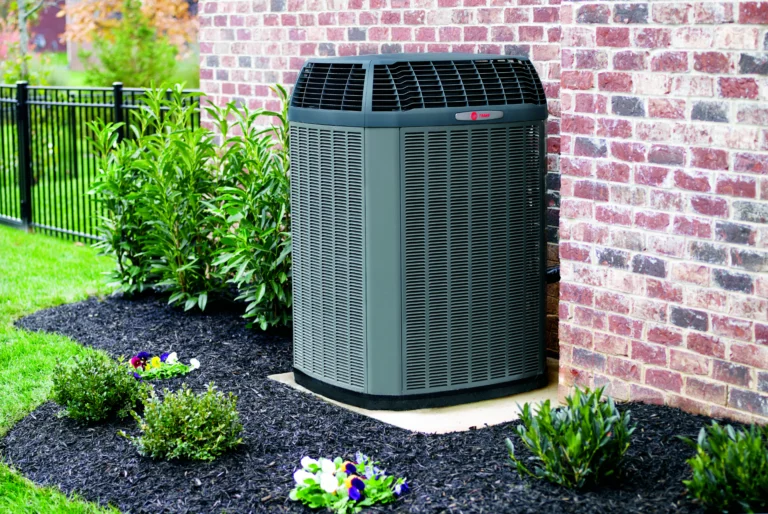
Your heating and cooling system carries safety implications that go beyond comfort. Float switches in condensate drain pans shut down the air conditioner when a clogged drain threatens to overflow, preventing thousands of dollars in ceiling and drywall damage. High-limit switches in furnaces protect against overheating, and flame sensors confirm proper combustion before allowing gas to flow.
Indoor air quality equipment also plays a safety role. Media filtration, UV germicidal lamps, and proper ventilation reduce airborne contaminants that can aggravate respiratory conditions. We routinely retrofit older systems with these protective accessories during service visits.
Plumbing Safeguards Worth Considering
Water damage causes more residential claims than fire in many regions, and Arizona homes are no exception. Consider these plumbing-related safety additions:
- Automatic water shutoff valves that detect leaks and close the main supply before flooding spreads.
- Thermal expansion tanks on water heaters to prevent dangerous pressure buildup.
- Pressure regulators that protect fixtures and appliances from municipal pressure spikes.
When Four Seasons was no longer going to be operated, we decided to go back to our roots and provide personable professional service at a reasonable and fair price. That commitment extends to 24/7 emergency service, because safety concerns don’t wait for business hours. Whatever combination of safety upgrades fits your home and budget, we’re here to help you protect what matters most.